
Why Menu Localization Is Essential for Restaurants and Hotels
A menu is a contract of trust. If guests can't understand it — or worse, misunderstand it — the experience starts on the wrong foot.
By Verbavox editorial team — Translation, localization & global brand voice
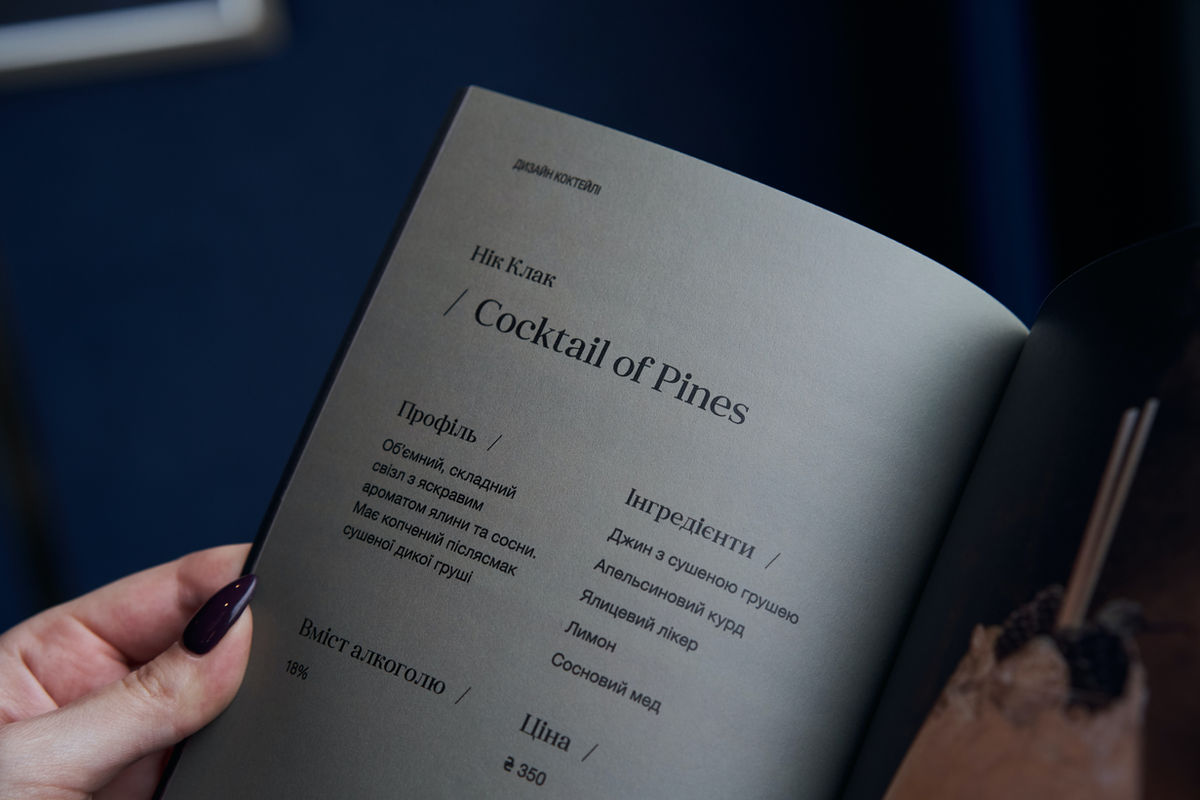
When travelers walk into a restaurant or sit down at a hotel dining table, one of the first points of contact — and judgment — is the menu.
A menu isn't just a list of dishes. It’s a reflection of your brand.
It’s an introduction to your culture. It’s a contract of trust between you and your guests.
And if your guests can't understand it — or worse, misunderstand it — the experience starts on the wrong foot.
Menu [localization](/services) isn't optional anymore in globalhospitality translation. It’s the difference between welcoming guests — and confusing, alienating, or even offending them.
Done well, a localized menu delights, reassures, and tempts.
Done poorly, it drives guests away before they even order.
Menu Translation vs. Menu Localization: Big Difference
First, let's be clear:
- Translation simply converts text from one language to another.
- Localization adapts text, imagery, style, and even dish presentation to match the cultural expectations, dietary habits, and emotional triggers of a specific audience.
In menus, localization is crucial because:
- Ingredients familiar in one culture may be unknown — or taboo — in another.
- Dish names often carry emotional or sensory meaning that needs to be conveyed, not just literally translated.
- Cultural perceptions of food (spice levels, preparation methods, dietary restrictions) vary dramatically.
A menu is not just functional. It’s emotional. And localization is what captures that emotion across languages.
Why Poor Menu Localization Hurts Your Business
- Lost Revenue Confused or mistranslated menus scare away customers who prefer ordering safe or familiar items. Every moment of hesitation risks a lost upsell — or a lost customer.
- Brand Damage Funny mistranslations ("Steamed Crap" instead of "Steamed Crab") become viral jokes online — but not the kind you want.
- Negative Guest Experience Ordering something unexpected because the description was unclear creates frustration and disappointment — even if the food is good.
- LegalRisks Incorrect allergy information, hidden alcohol content, or misrepresented ingredients can expose you to lawsuits or regulatory penalties.
- Lost Competitive Advantage In tourist-heavy areas, localized menus are a basic expectation. If competitors offer clearer, more welcoming experiences, you lose the battle for customer loyalty.
In short: A poorly localized menu isn’t just unprofessional. It’s bad business.
Key Elements of Successful Menu Localization
A well-localized menu pays attention to:
- Ingredient translation and adaptation: Finding culturally familiar equivalents where needed — not just literal translations.
- Dish name choices: Deciding when to transliterate (keep original names) vs. translate vs. creatively describe.
- Cultural sensitivity: Respecting religious, ethical, and dietary norms (e.g., pork in Muslim-majority countries).
- Allergy and dietary labeling: Accurately disclosing allergens, vegetarian/vegan options, halal/kosher certifications.
- Spice and flavor descriptors: Adapting terms to match local expectations of heat, sweetness, bitterness.
- Tone of voice: Casual and playful for a beach bar; elegant and refined for a luxury hotel restaurant.
- Layout and readability: Ensuring fonts, spacing, and design accommodate different script types (Latin, Cyrillic, Arabic, Chinese).
Each of these elements shapes the customer’s comfort, confidence and desire to order.
Markets Where Menu Localization Is Especially Critical
Some hospitality markets where localized menus are now a basic expectation:
- International hotels and resorts
- Airport lounges and restaurants
- Tourist destination eateries (coastal towns, major cities)
- Cruise ships
- Theme parks
- Luxurylocalized dining experiencesfor brands wating to expand globally
Guests expect to be welcomed in their language and through their culinary lens.
Localization isn’t just about accessibility. It’s about emotional connection.
Real-World Examples: Menu Localization Wins and Fails
Success Story: Global Hotel Chain A luxury hotel group localized all its F&B outlets' menus in 10 languages. They adapted not just text, but dish names, allergens, and descriptions resulting in higher guest satisfaction scores and increased average spend per cover.
Failure Story: Street Food Chain Expansion A trendy street food brand expanding into Japan translated its "Pulled Pork Sliders" menu item literally confusing diners unfamiliar with pulled meats or sliders. Sales tanked until the menu was adapted with clear Japanese-friendly descriptions and imagery.
Success Story: Cruise Ship F&B Localization A cruise line servicing European and Asian routes localized all menus by region — even rotating dishes to align with cultural meal expectations (e.g., lighter breakfasts for Asian guests). Guest satisfaction soared.
Why Machine Translation Isn’t Enough
Machine translation might work for casual chats. It fails badly with menus.
Problems include:
- Awkward literalism: Machines struggle with metaphor, culinary style, and emotional nuance.
- Ingredient misinterpretations: Especially dangerous with allergens or regional food variations.
- Tone mismatch: A machine can’t tell when "crisp" should be "delicate" depending on cultural flavor profiles.
- Regulatory non-compliance: Machines don’t handle legal food labeling requirements properly.
Menus need native-speaking human expertise— preferably with food and hospitality sector experience.
It’s the difference between saying "Freshly baked artisan bread" versus "Recently created typical loaf."
Guess which one sells better?
Best Practices for Menu Localization
If you want your menus to truly connect:
- Work with sector-specialized translators: Prefer linguists experienced in food & beverage, not just generalists.
- Involve chefs and F&B managers: They know what dishes actually are and how they should be described emotionally.
- Focus on guest experience first: Think like a guest ordering, not just filling a page.
- Use consistent terminology: Across menus, outlets, room service, and promotions.
- Adapt visuals and formatting: Photos, icons, layout may need localization too.
And most importantly —test. Let native speakers review your localized menus before launch.
One tiny tweak can massively increase guest understanding — and guest spend.
A meal is an experience. A menu is the invitation to that experience.
When you localize menus thoughtfully, you don’t just fill stomachs. You create memories, build loyalty, and drive profitability.
In global hospitality, translation isn't just about language.
It’s about making every guest feel welcomed — and hungry for more.
Related reading
Written by the Verbavox editorial team — translators, localization specialists and multilingual SEO practitioners.
Need a translation that sounds local?
Tell us about your project — we'll get back within one business day.